SixDegrees, 0-1 Product Development
role
founding product designer, visual designer
timeline
01.2025 – 04.2026
tools
figma, adobe illustrator
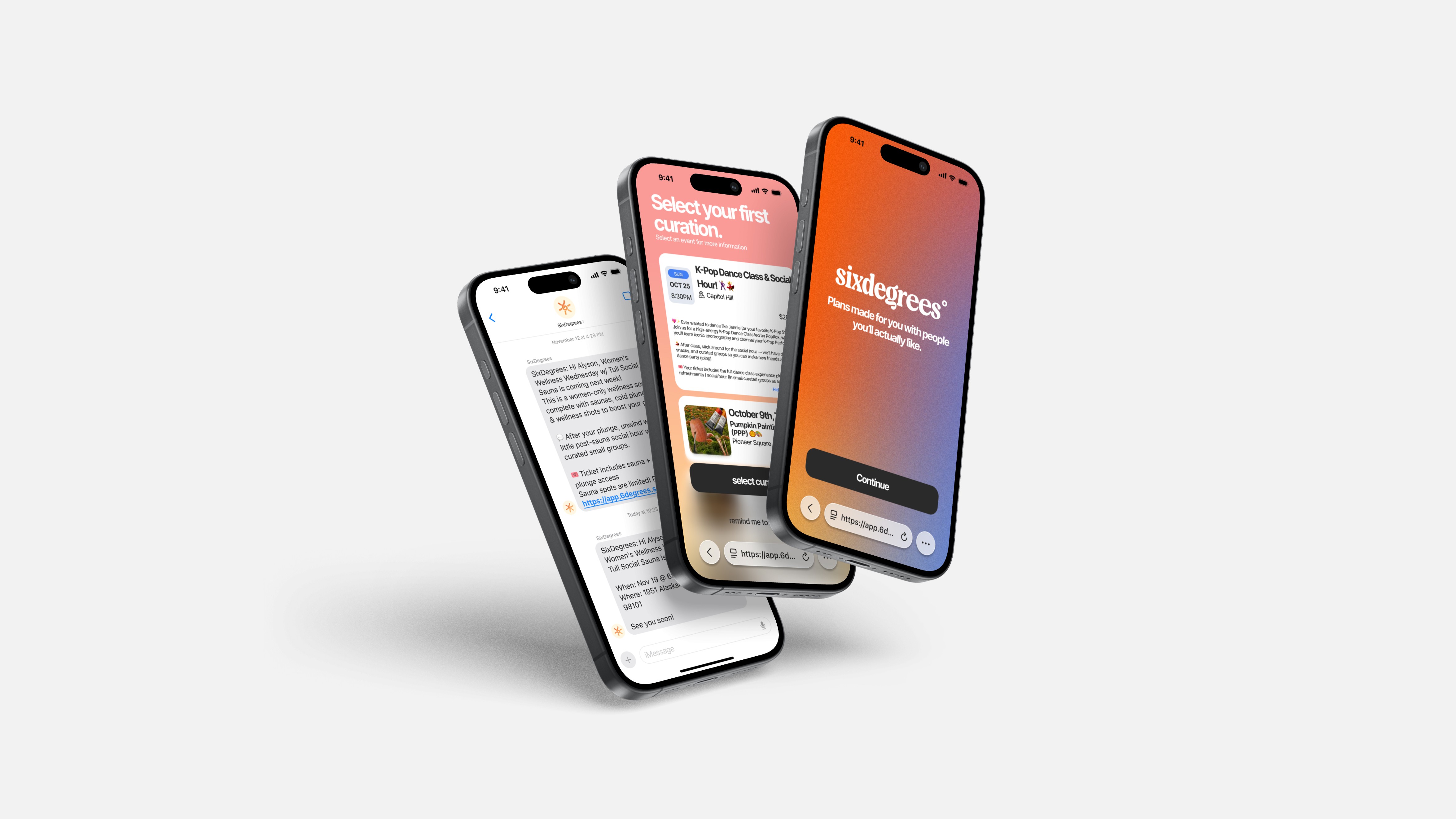
Leading product design from the ground up @ SixDegrees. Navigating human complexity and learning to embrace the process of building something that actually helps people connect.
Scrappy community building
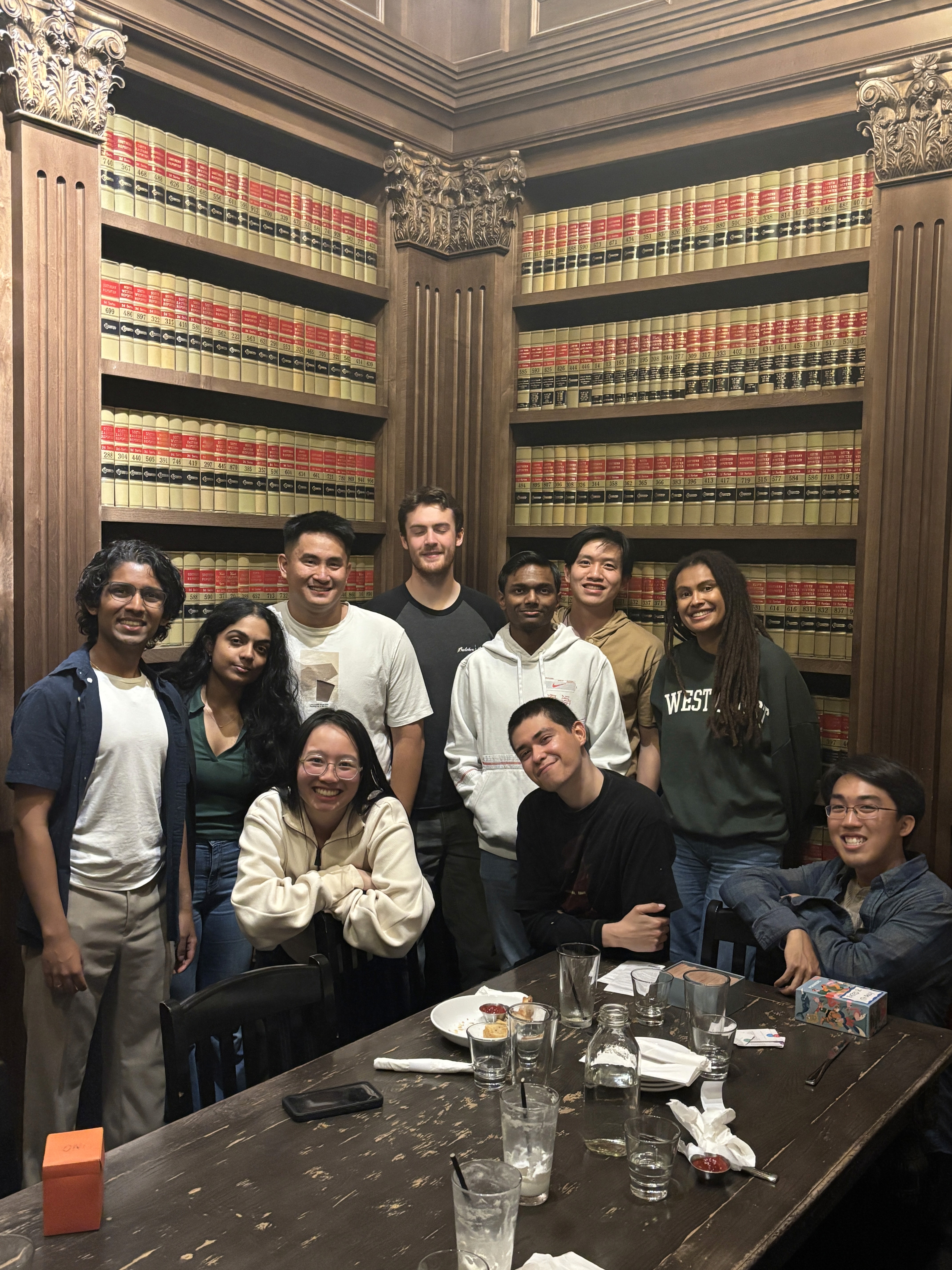
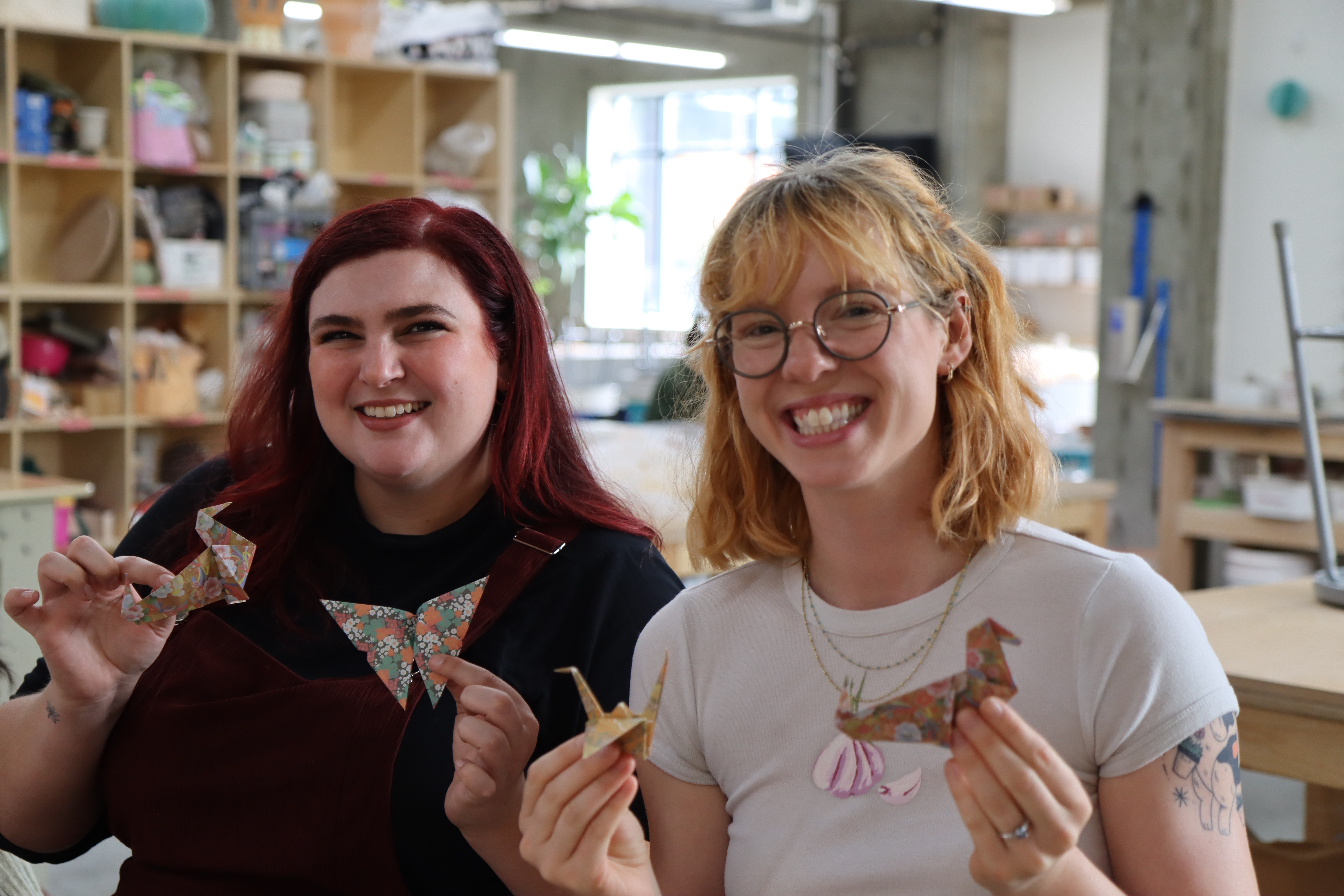
I joined two founders at SixDegrees to create a platform to help people in Seattle, a city famous for the ❄️Seattle Freeze❄️, make real, genuine, lasting friendships. I wanted to design something that made friendships feel effortless because, for a lot of people, making new friends is hard.
As the sole product & visual designer, I led design from the ground up: research, onboarding, visual design, social media, and everything in between.
My Impact:
27% decrease in onboarding drop-off after redesigning our personality quiz and moving off 3rd party platforms.
50%+ RSVP rate increase and ~80% cut in ops workload after replacing our third-party stack with a redesigned in-house flow.
Doubled payment conversion (20% → 40%) with an end-to-end funnel redesign (signup → OTP/auth → onboarding → first action → conversion).
1.7K+ active user growth in 6 months and 100%+ MRR growth in 2 months from shipping MVP, data-driven UX improvements, and designing front-facing marketing/sms material.
The complexity of designing for human relationships
To better understand our target audience, I polled students and young professionals in the greater Seattle area about their social preferences and lifestyles. With more research and conversations, I identified three core barriers to making lasting friends:
Social anxiety
The pressure of social interactions, mixed with the uncertainty of communication, leads to social anxiety and burnout.
Logistics
Coordinating schedules, finding places to go, and planning hangouts adds friction that kills momentum before it starts.
Finding compatible people
Existing products rely on self-selection and personal bias in giving people a chance. Regardless, there is no guarantee in personality alignment, when meeting new people.
I used our insights to create a user narrative and journey to better understand how our product would engage users. This helped me focus on what flows and features I would build to create the biggest impact on the community.
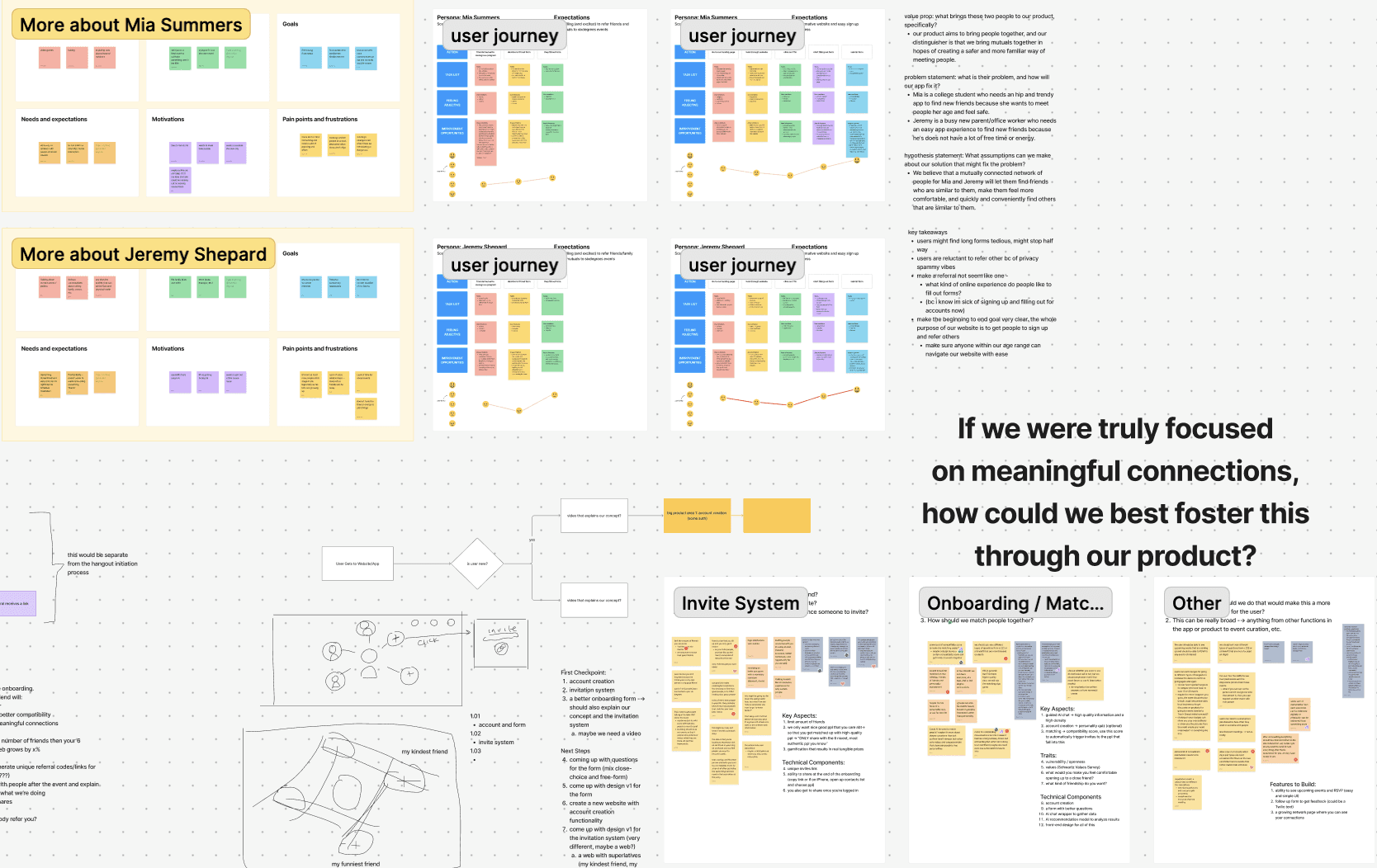
Creating user personas and journeys helped us visually and methodically organize our insights about the problem space.
Turning insights into tangible product flows
Before designing any screens, the engineer and I worked together to create a user journey and logic flow to ensure that the designs I created aligned with the backend structure she was building.
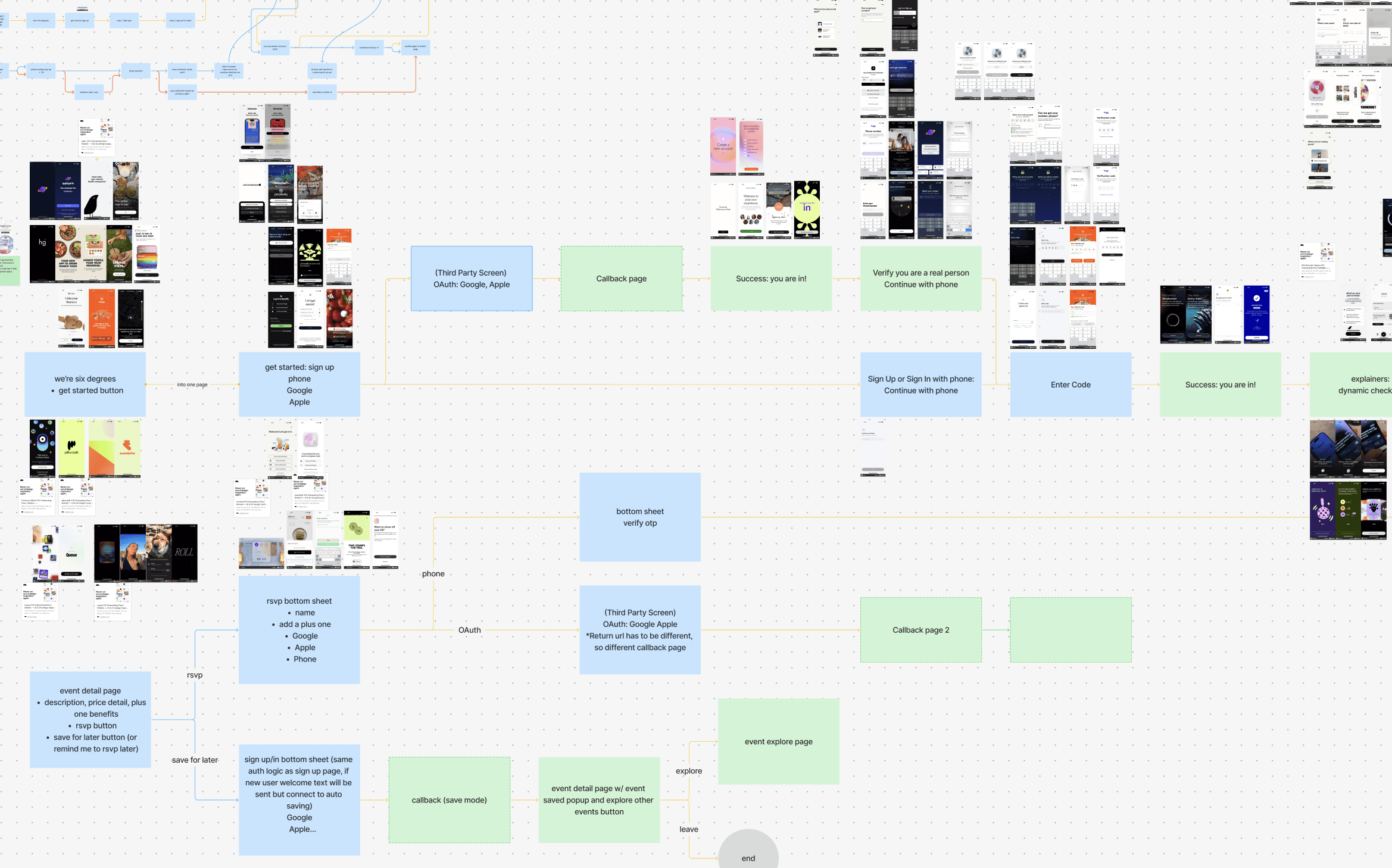
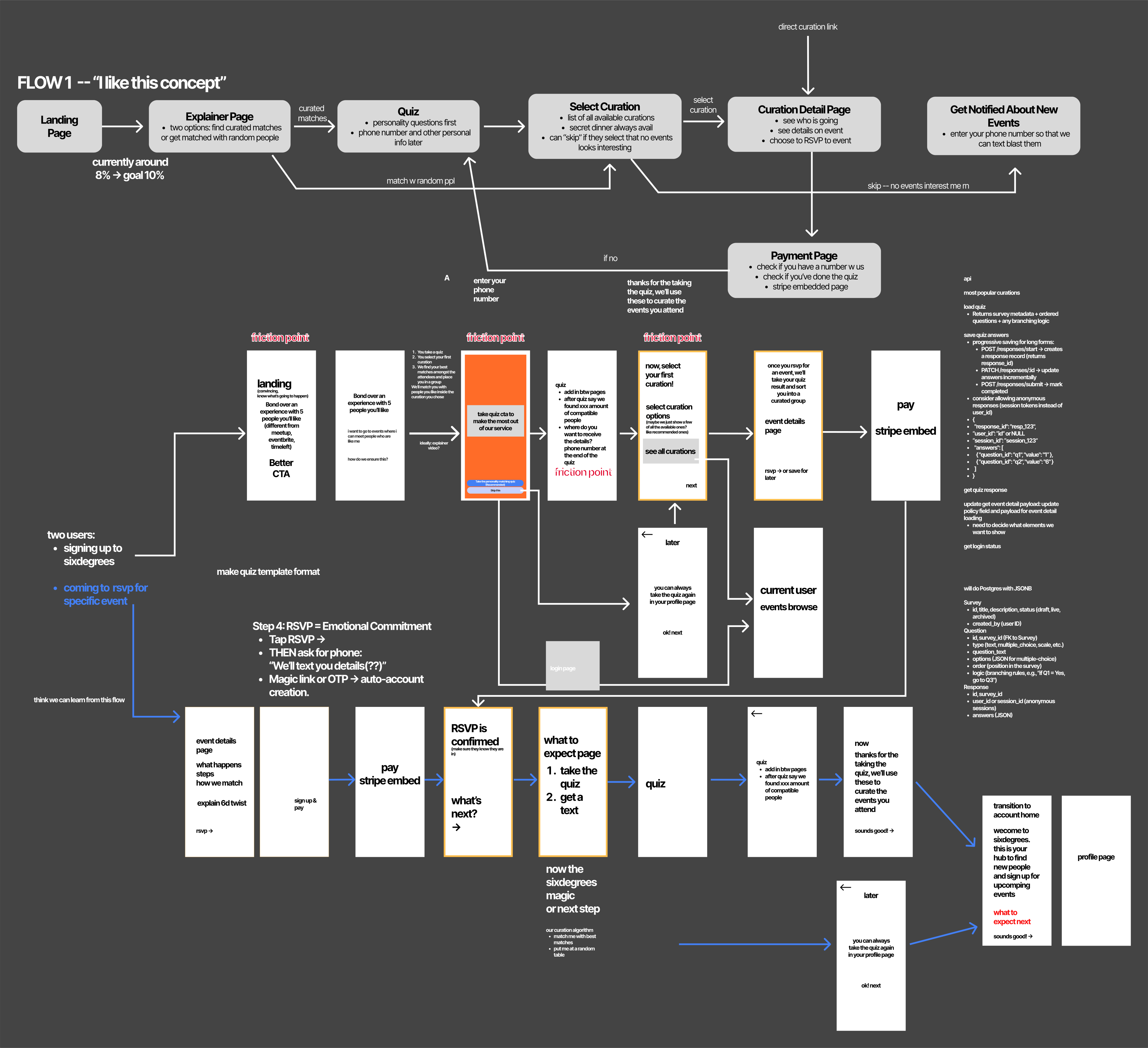
To design more efficiently, I conducted extensive research and referenced similar services on the market to understand their user flows and apply my learnings to my product vision.
I also annotated the friction points I was most concerned about, including the landing page, the quiz onboarding, and the first event registration.
This flow diagram became a shared source of truth between me, the engineer, and stakeholders. This systems-level thinking helped us prioritize where to look first if we started seeing drop-offs in the data.
Diving into design & learning to collaborate with the engineer in real time
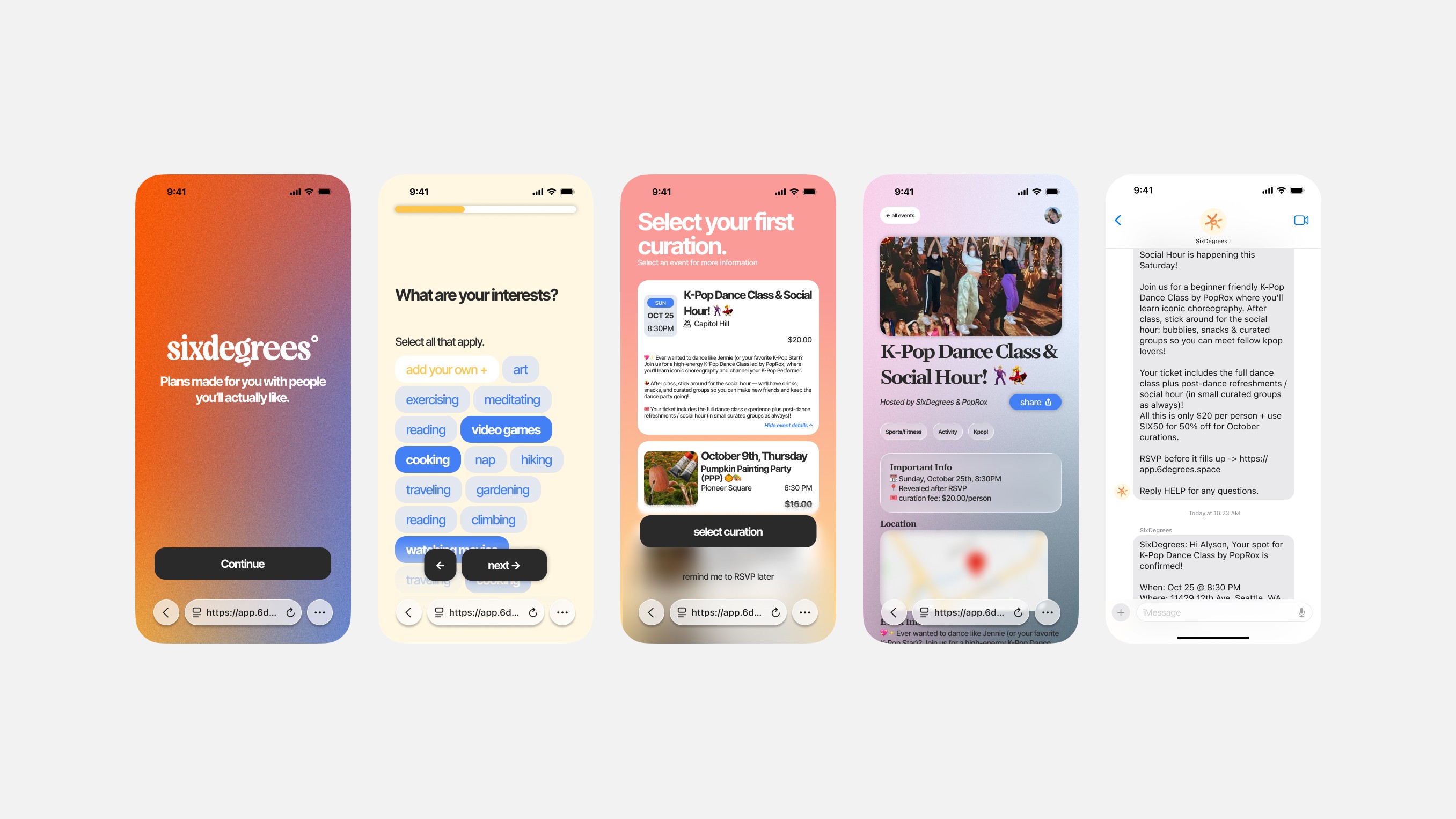
I spearheaded visual and product design, and we launched a Minimum Viable Product in just under 3 weeks.
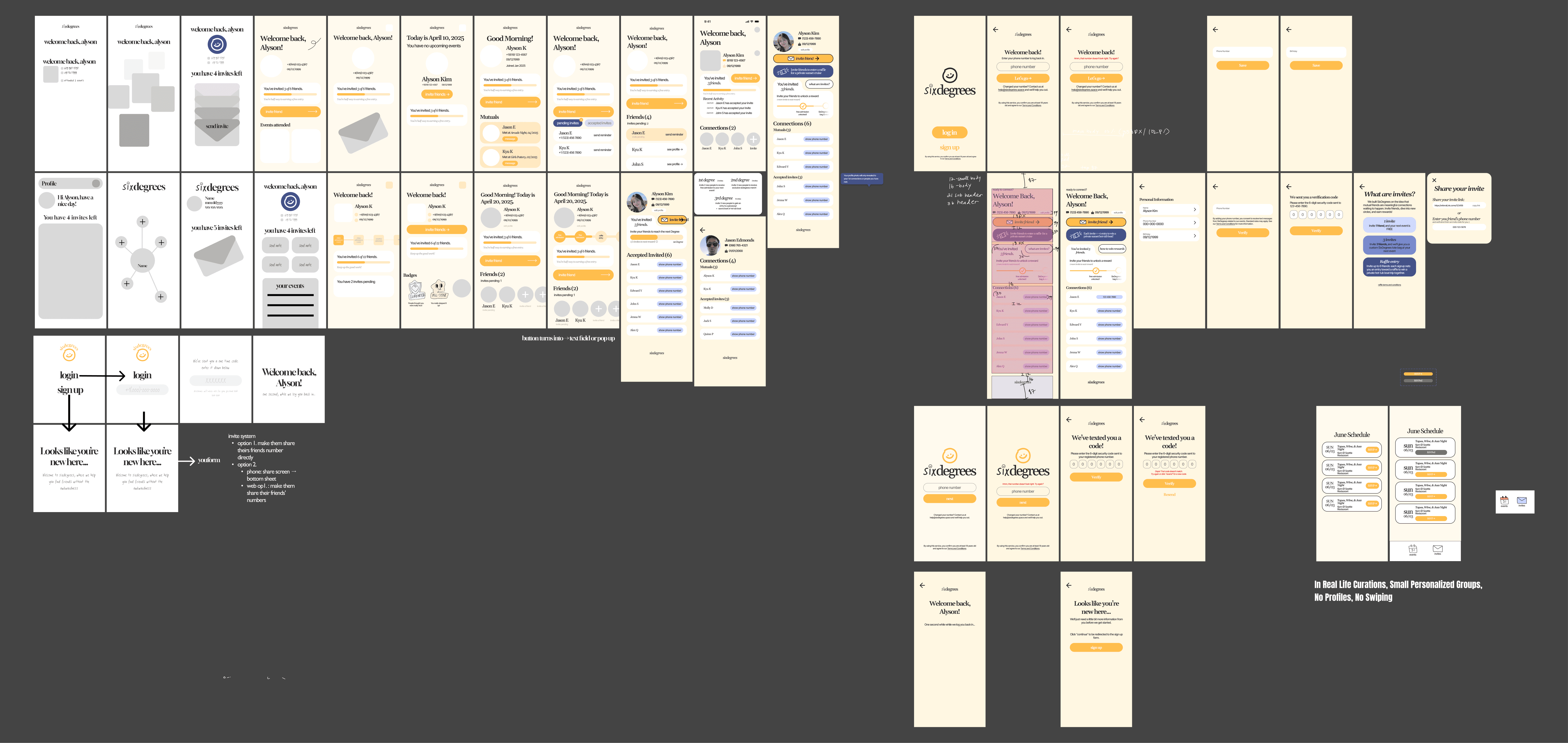
Version 1 of our SixDegrees web app was minimal as we balanced deadlines with high priority user features.
All of this wouldn’t have been possible without the help of my closest collaborator, Kyu, the founding engineer. Early on, our work lacked structure. I wasn’t always sure what she needed from my designs to build efficiently, and she didn’t always have full context on the scope of my vision.
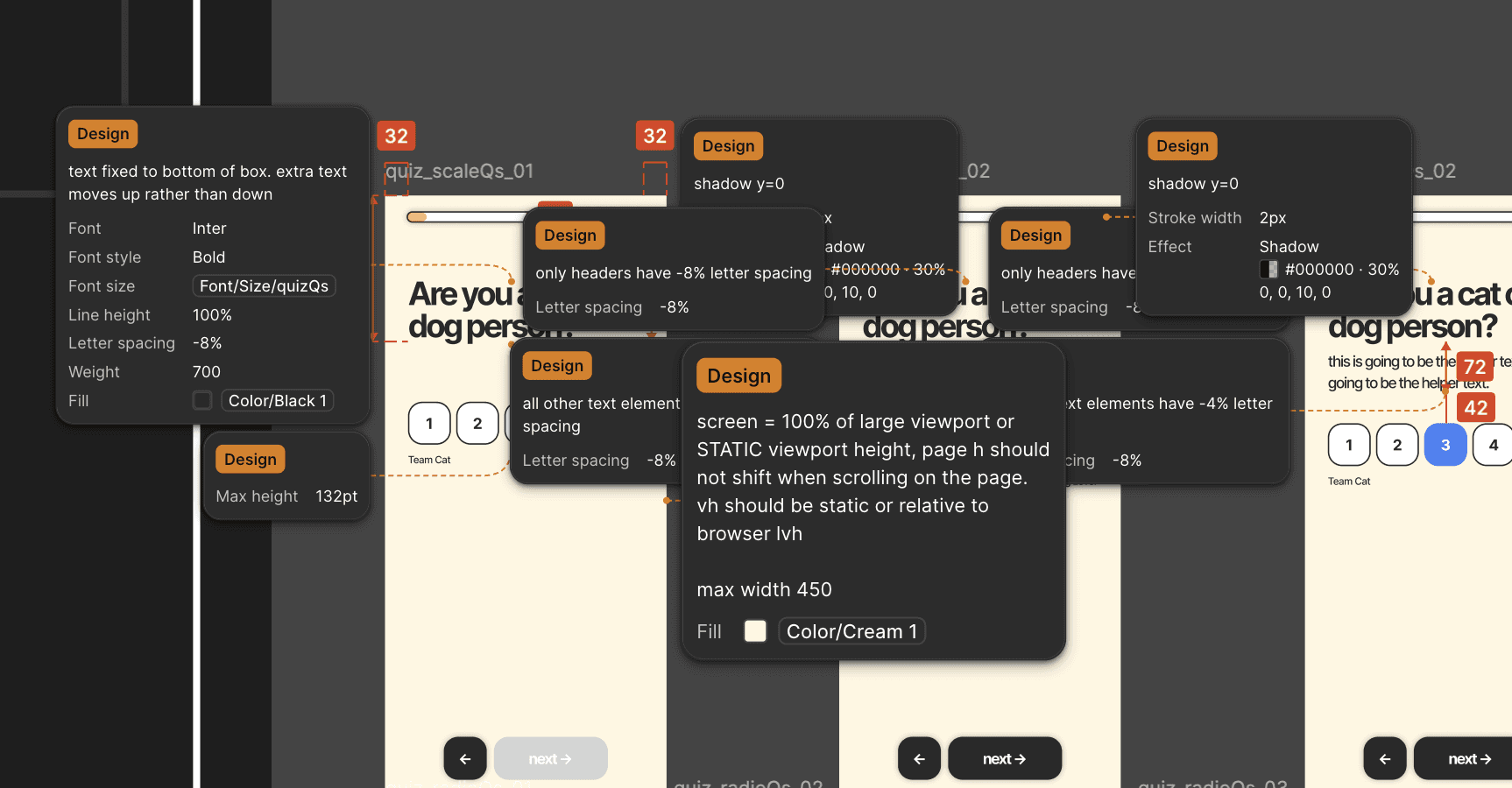
As we worked together, our pace improved. In later iterations, I became more intentional about every feature and called out key design details during handoffs to improve clarity and communication.
Reworking product pain points and managing stakeholder demands
Although there was a working product in the end, I felt the MVP was severely lacking due to time constraints and stakeholder expectations. The team received a lot of feedback, and we began cross-analyzing our metrics and user input to identify what to improve next.
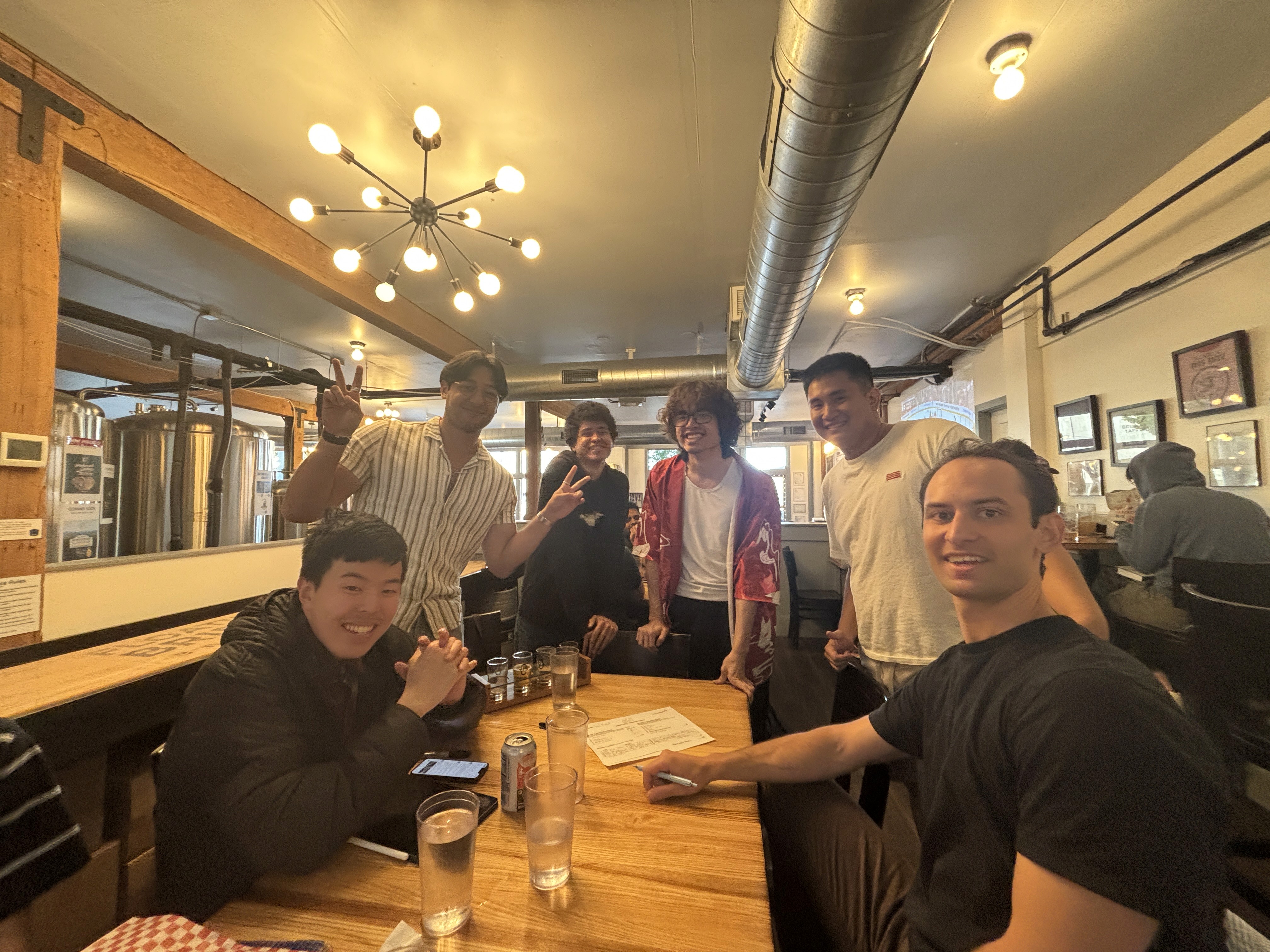
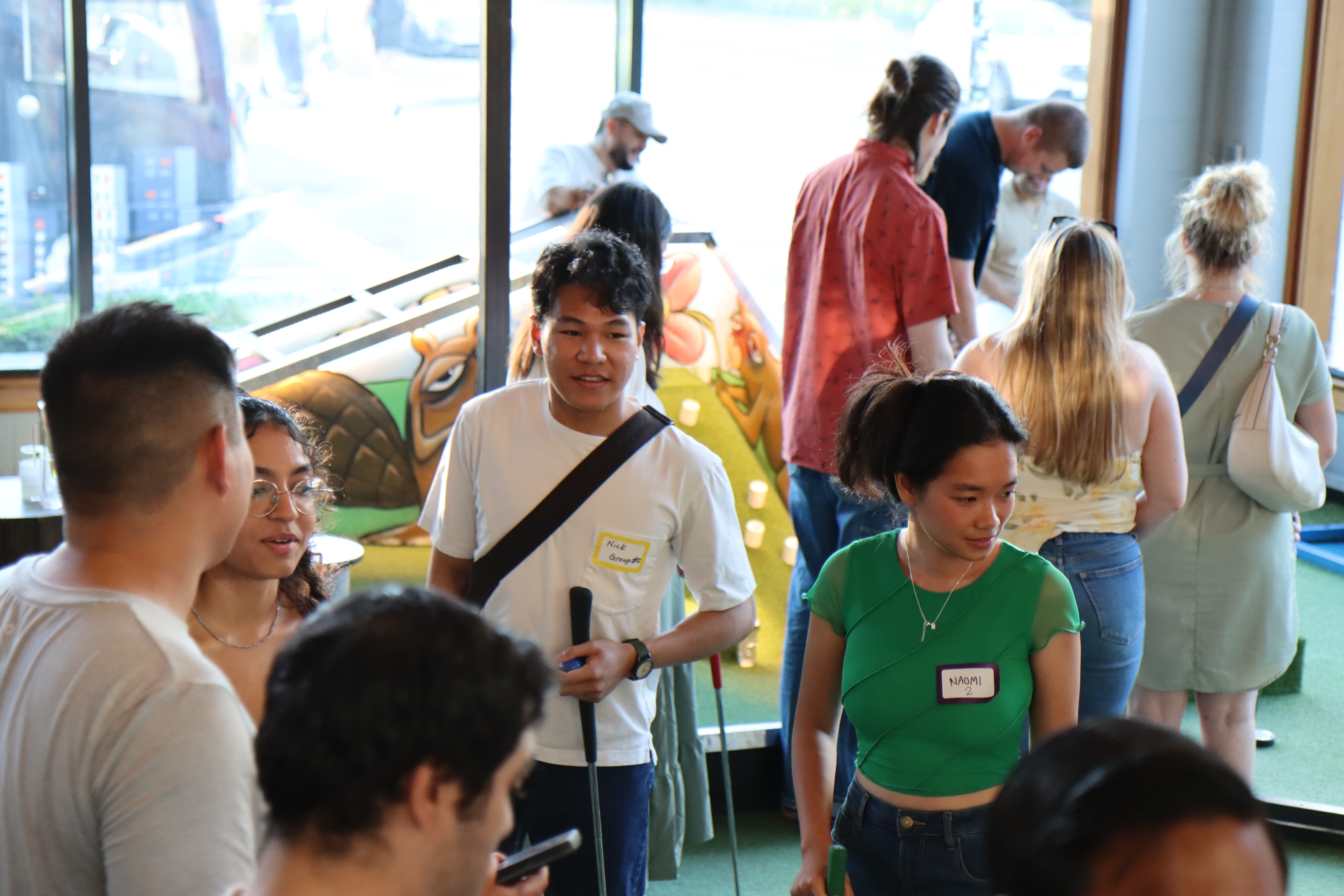
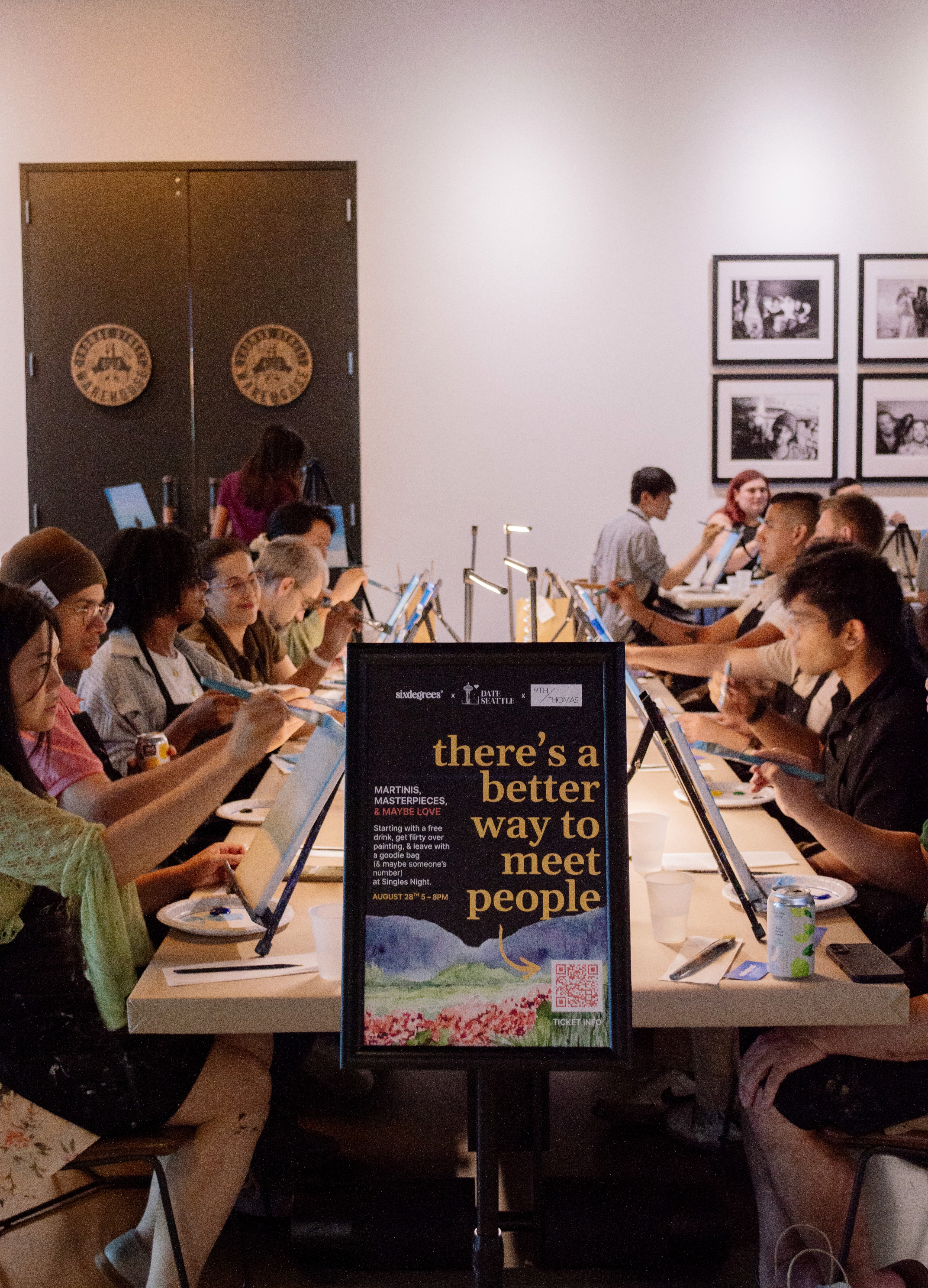
As a small start-up, we didn’t have a large budget for research, but we were at a lot of the first events we hosted. Being hands-on operators gave us direct, unfiltered access to our users that no survey could replicate. We also used SMS blasts and social media accounts to follow up and keep conversations going.
With more research, 3 major friction points were identified:
friction point #1
Too much decision-making causes cognitive overload.
New sign up -> personality quiz -> events explore page = over 50 clicks !!!!
friction point #2
Product values became unclear, and users would drop off as a result.
Onboarding was unclear, thus the SixDegree message was lost.
friction point #3
We used Typeform, Partiful, and Venmo to handle various parts of our flow, which undermined our credibility.
However, at this point in our product's lifecycle, stakeholders understandably wanted to push for higher revenue, urging the team to build feature updates that would increase our net revenue.
I advocated that by fixing these friction points, we could not only increase revenue but also improve user satisfaction with our product, as well as our transaction rate and income.
Reducing user action on the onboarding process + keeping users engaged
When checking where users dropped off in our onboarding flows, I found that the more questions we asked, the less likely users were to complete our onboarding process.
I went through multiple iterations, getting users from onboarding to a finished transaction.
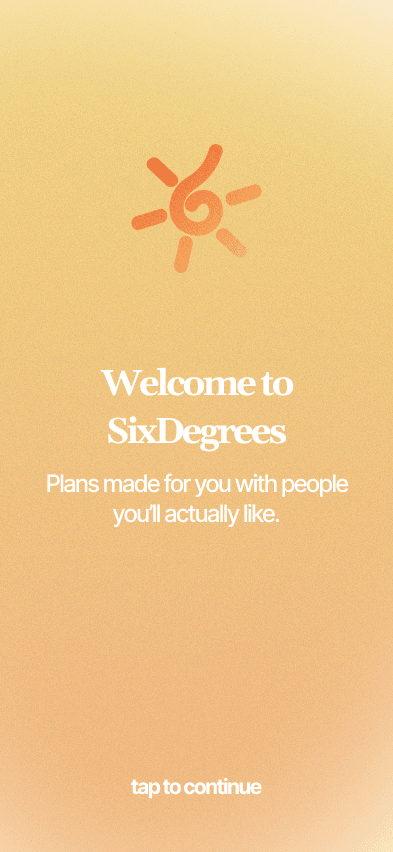
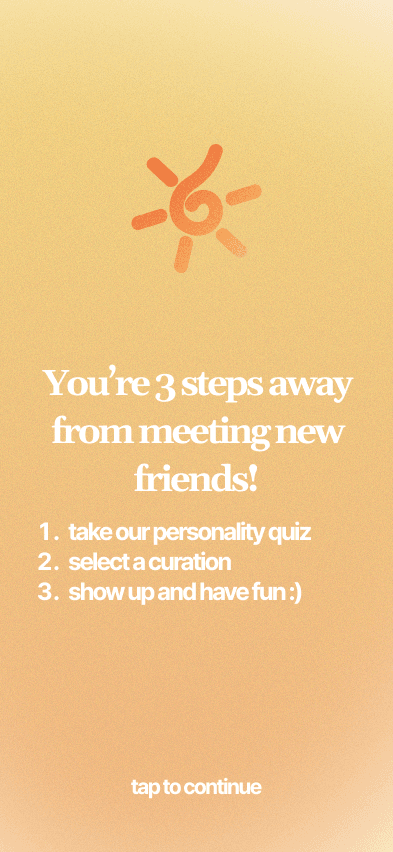
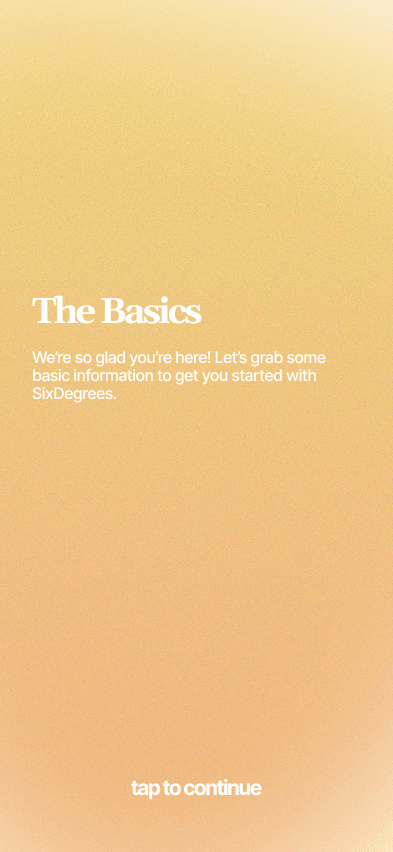
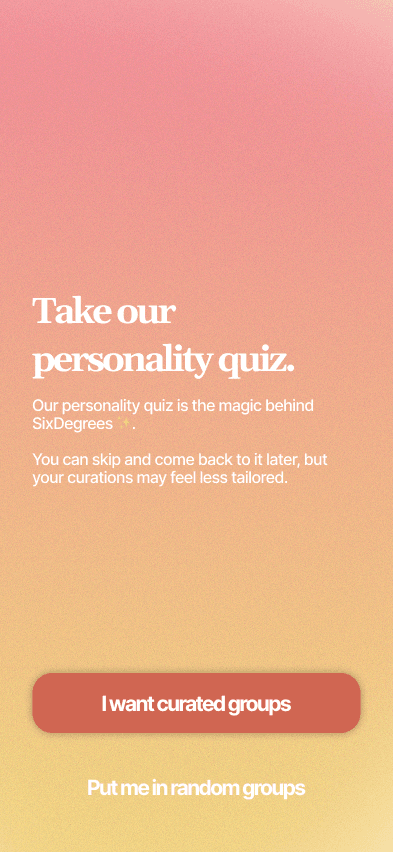
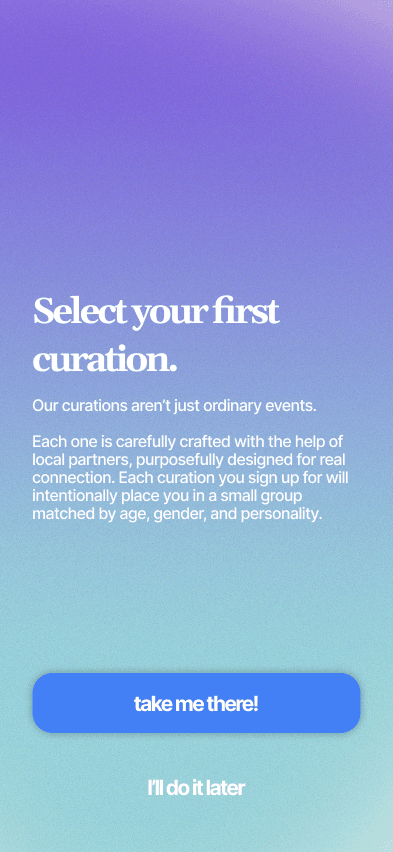
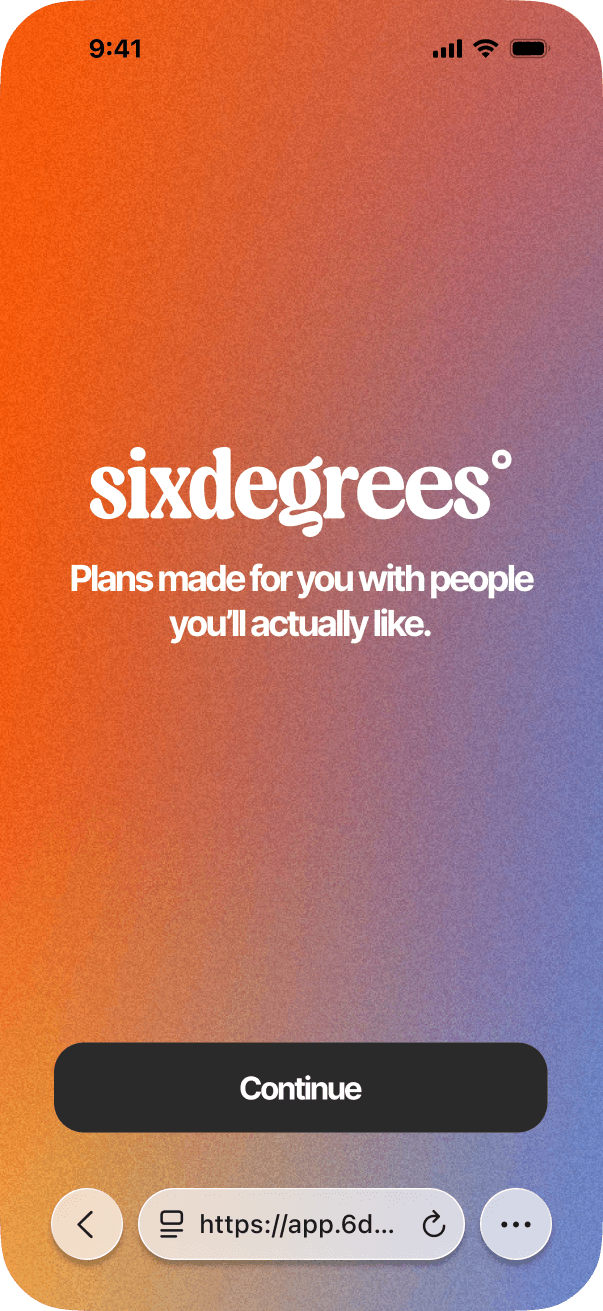
Old onboarding was unenthusiastic and static, unloading more cognitive responsibility on the users.
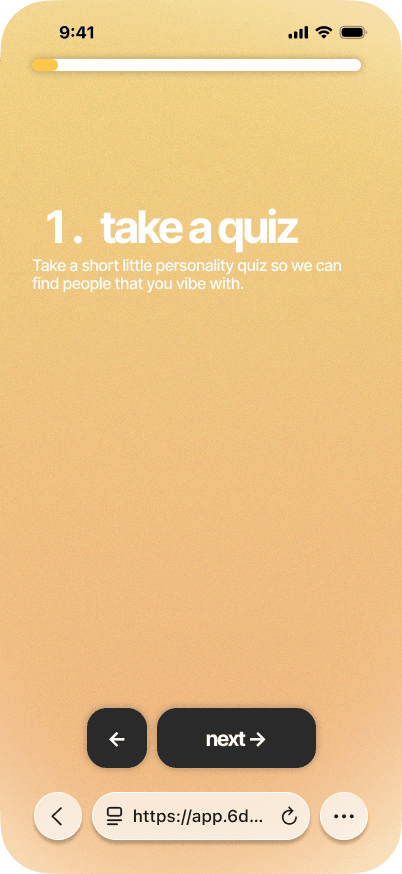
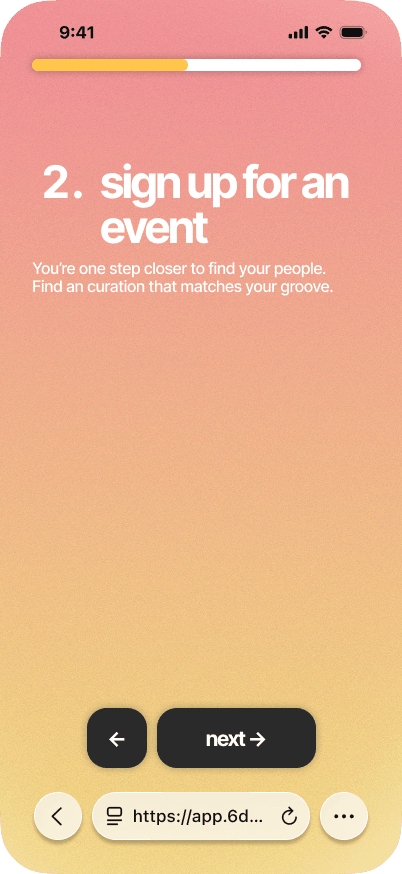
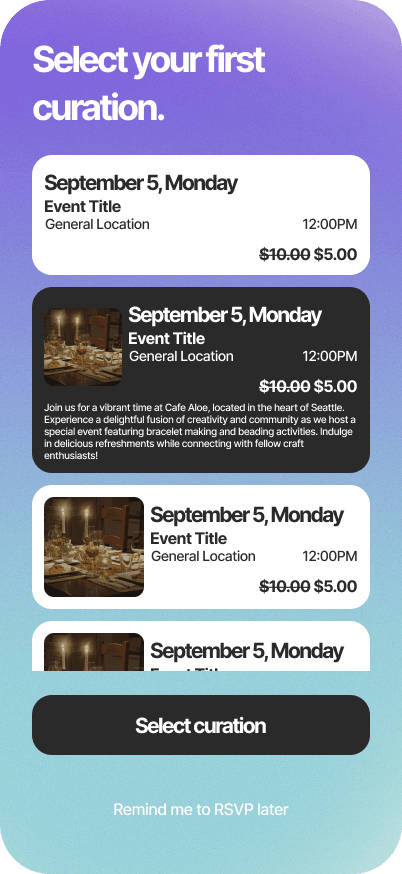
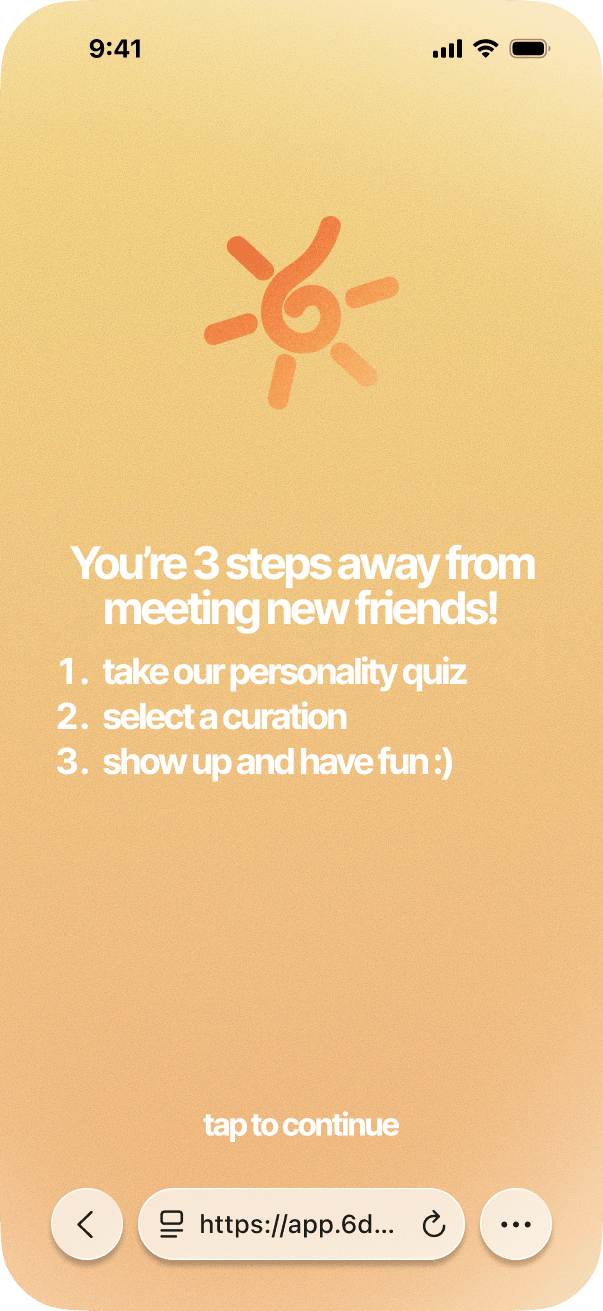
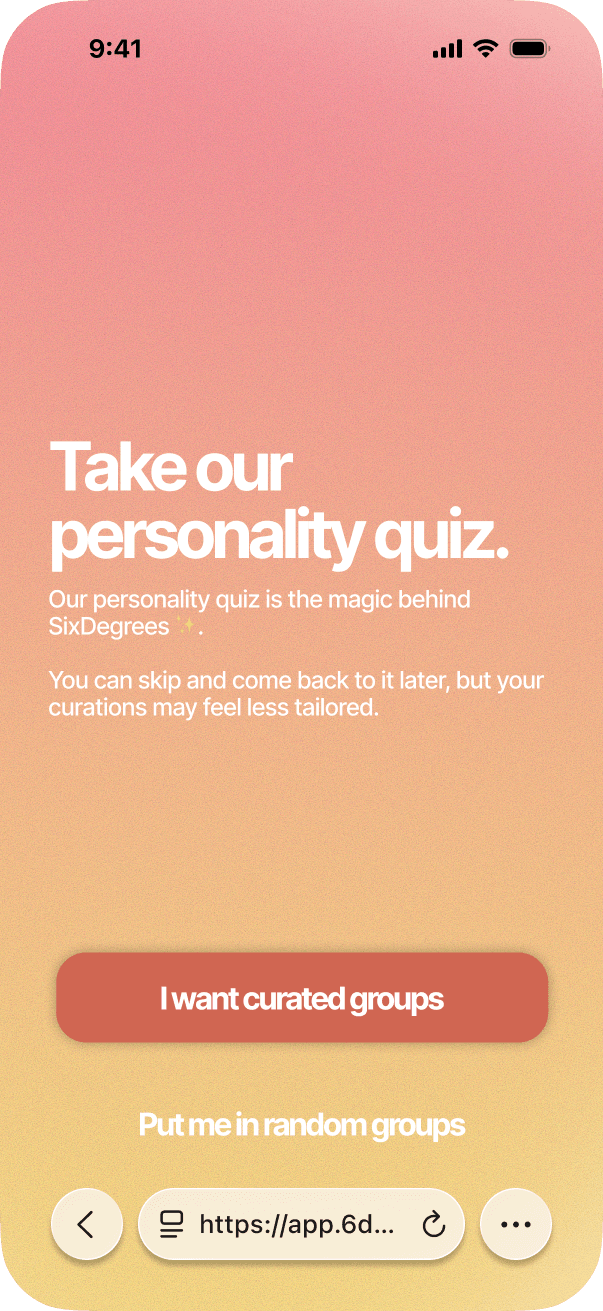
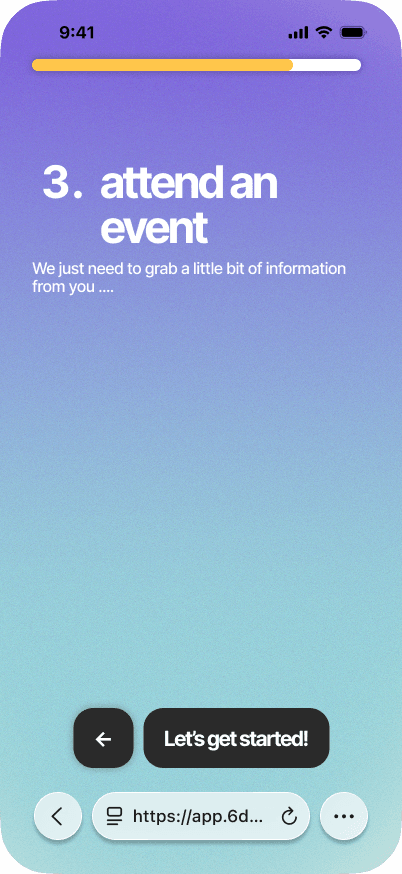
Onboarding animations replace the first two screens with more information and an interactive element to keep users engaged.
Drop-off during onboarding fell from 49.4% to 22.4%, a 27% decrease, as we cut unnecessary screens, trimmed the questions down to only what we truly needed, and built in voluntary checkpoints where users could pause without losing progress.
Integrated questionnaire platforms
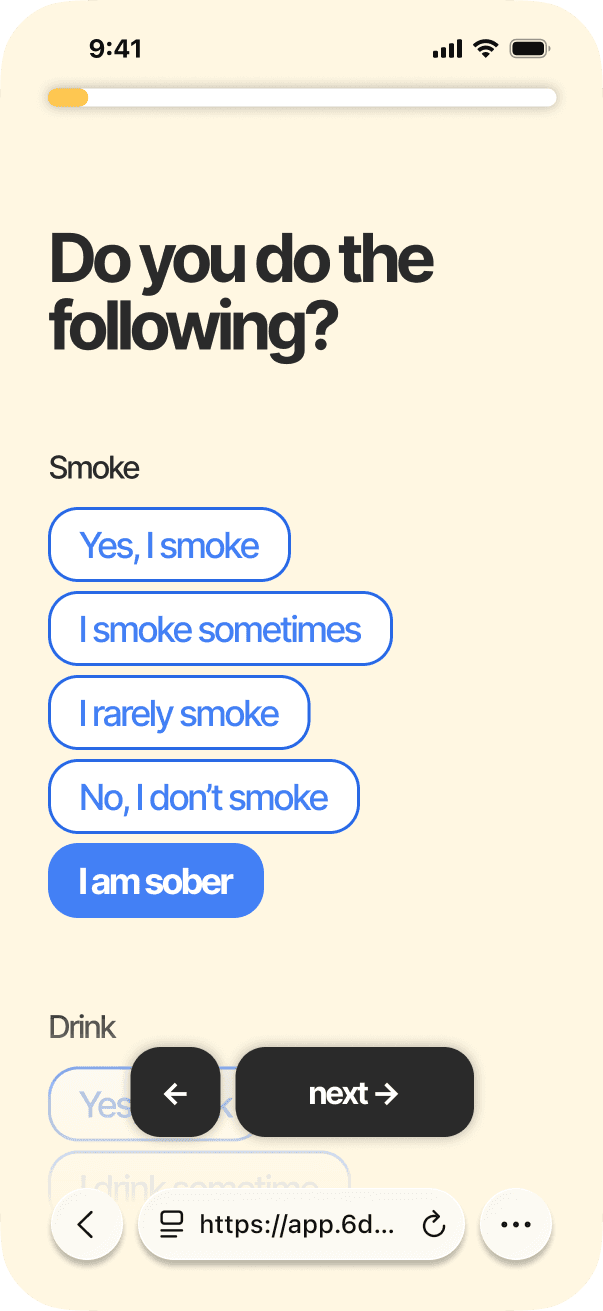
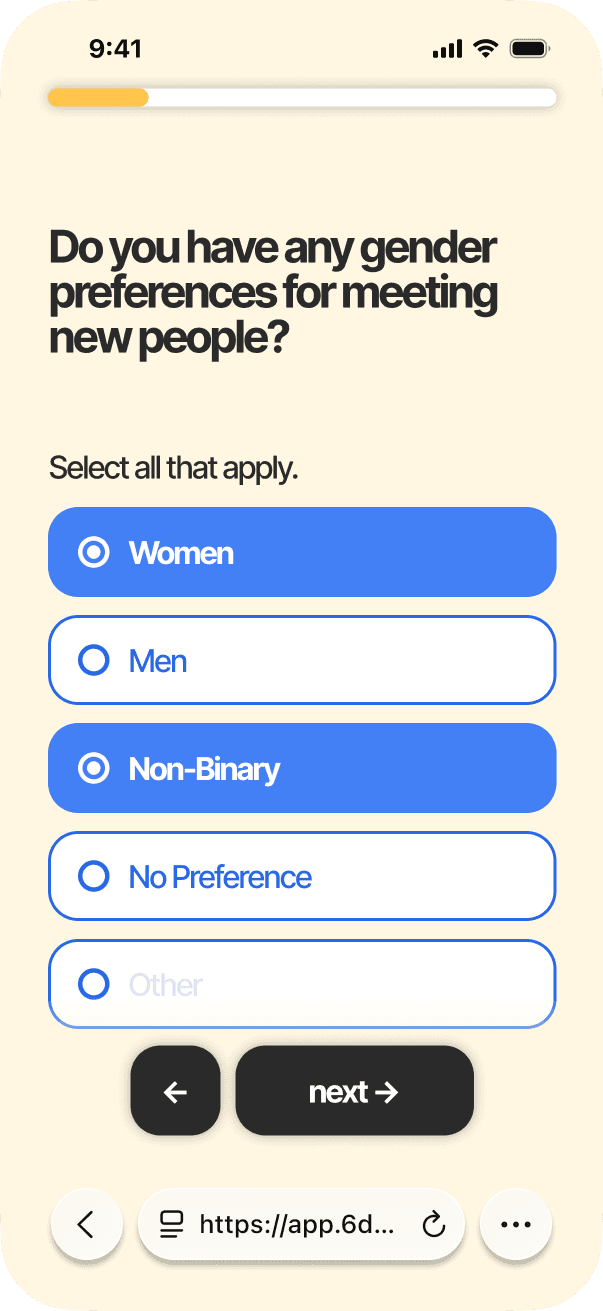
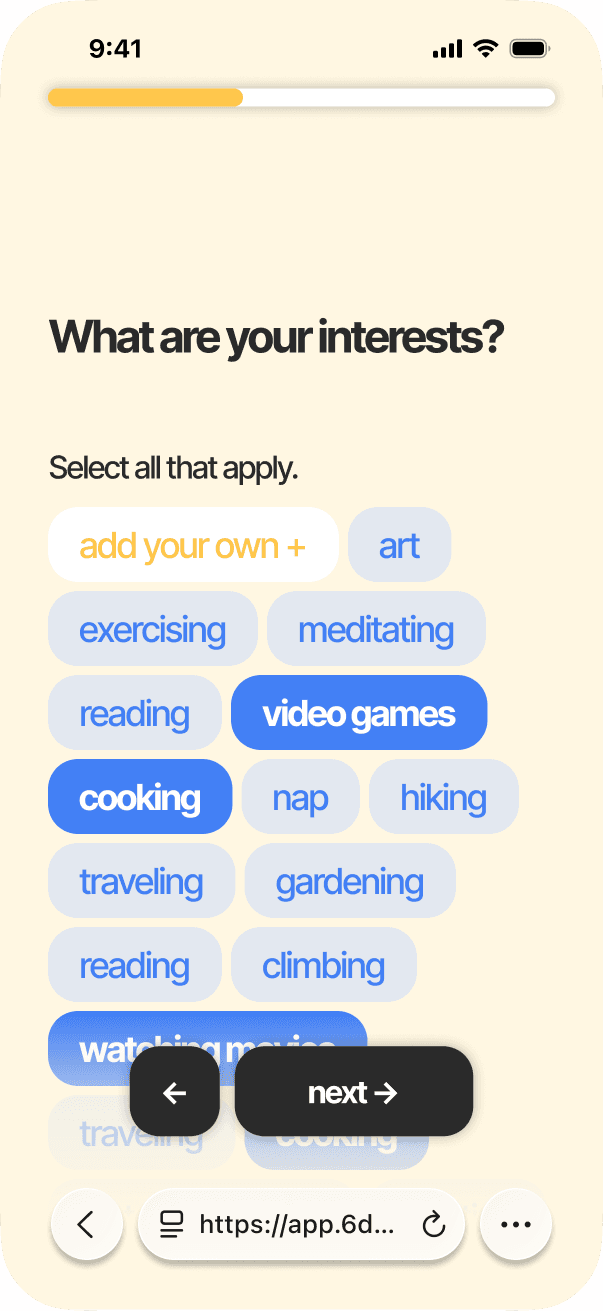
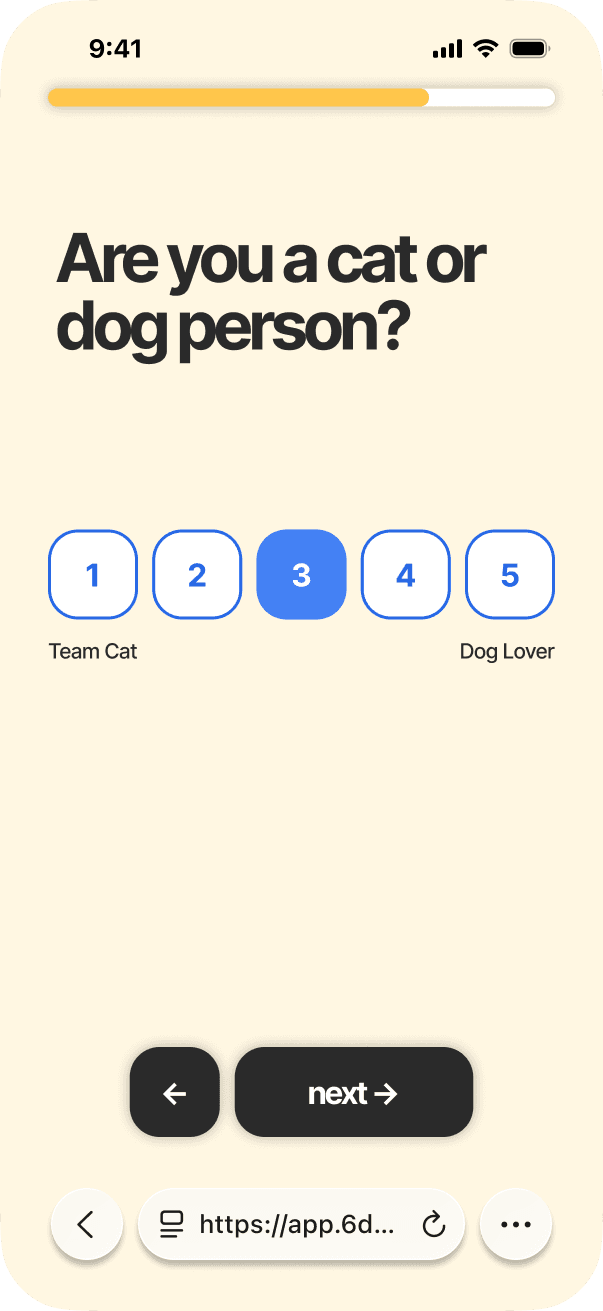
To match our users with an algorithm, the product used a quiz-style questionnaire to gather data about them. The quiz was the heart of our product, so it needed to feel engaging and personal, not clinical or form-like.
Unfortunately, due to time constraints, we integrated a 3rd party quiz platform to meet the deadline. When time permitted, I revisited how we would integrate the questionnaire into our app.
I noticed that leading our users to an external, 3rd party quiz led to drop offs because there was no continuity between our product and the external quiz. Extra clicks also demotivated users.
I explored dozens of visual directions to figure out how to balance function and enjoyment for the users. The final design landed on a warm aesthetic with clear progress feedback and checkpoints to reduce anxiety about how long the quiz would take.
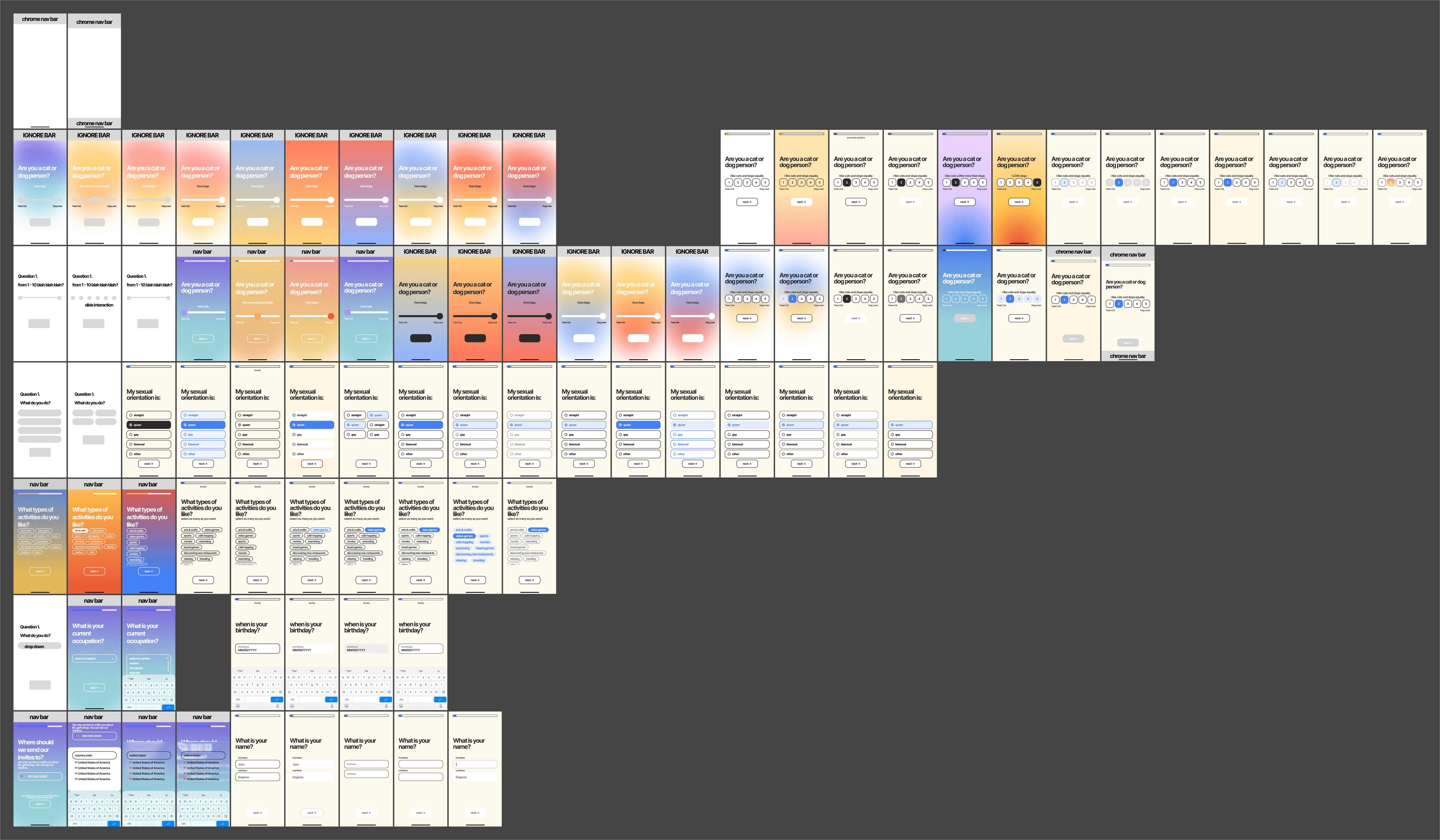
Replacing the third-party stack with an in-house onboarding and registration system took about a month to build and improved our RSVP rate by 50%+, while cutting our operational workload by roughly 80%. We were no longer manually reconciling sign-ups across three disconnected tools.
Closing the loop from sign-up to payment

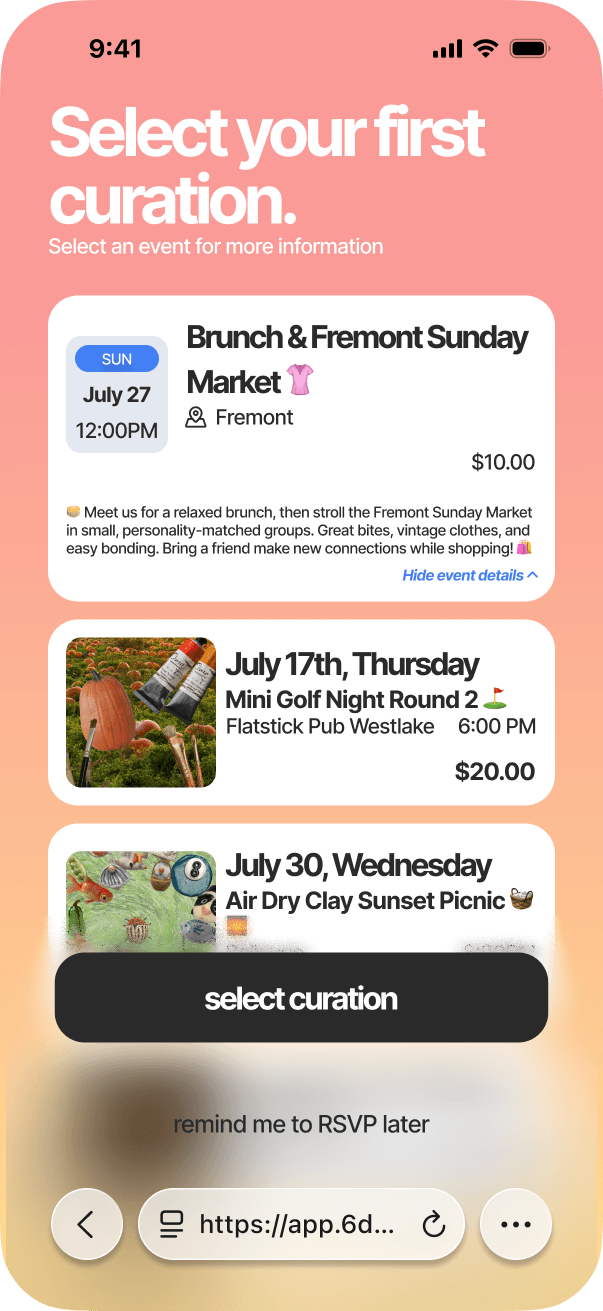
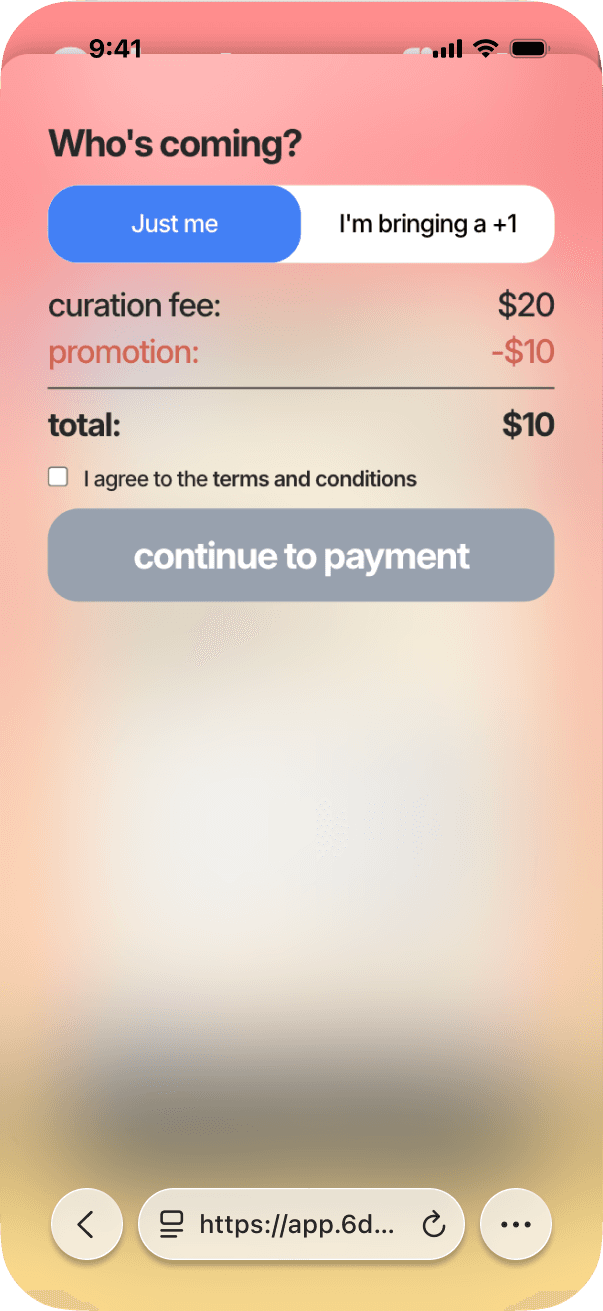
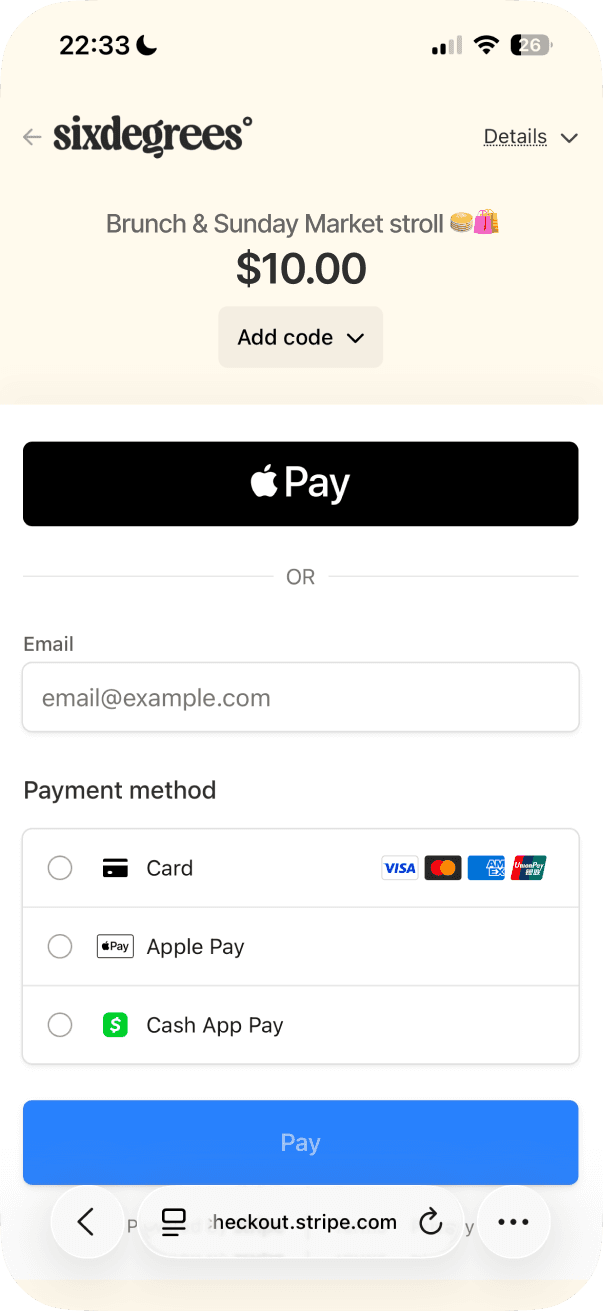
Getting someone to finish onboarding meant nothing if they didn't follow through to an actual event. I moved payments off Venmo and Partiful into a Stripe integration built directly into the web app so users never had to leave our product or re-enter payment details somewhere else to complete a transaction.
Looking at the full-funnel redesign, payment conversion effectively doubled, from roughly 20% to 40%, purely through data-driven design iteration rather than new marketing spend.
Releasing Version 1.1 + new impacts
Over the course of my year of SixDegrees, our curations involved 1700+ users and 40+ events.
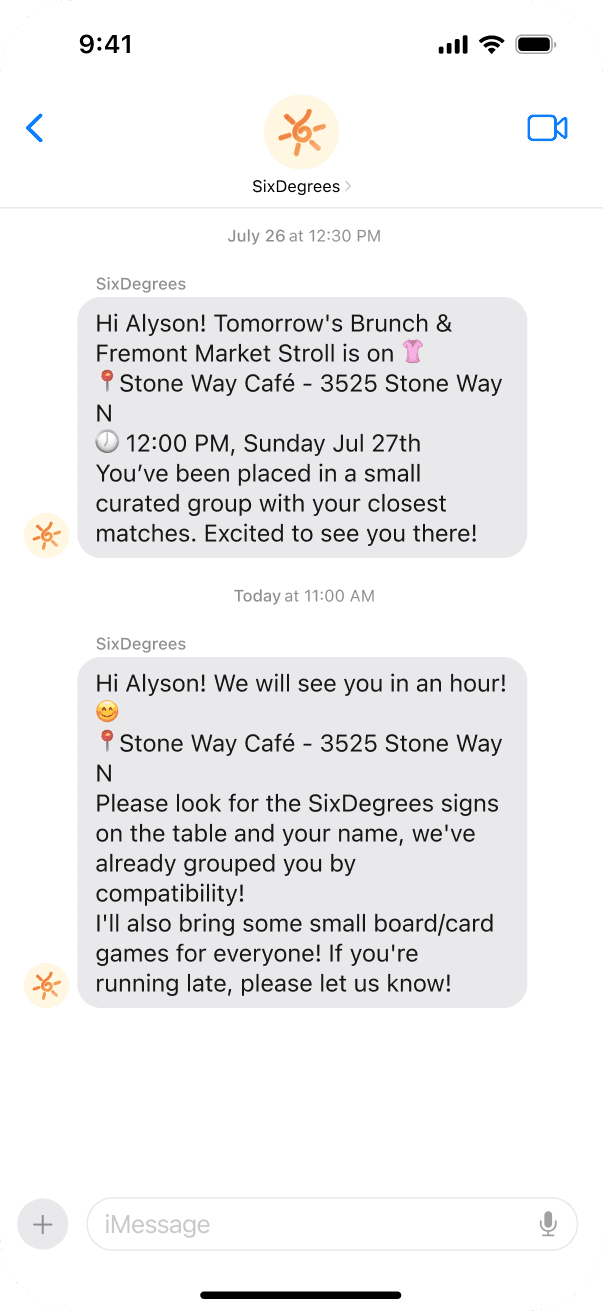
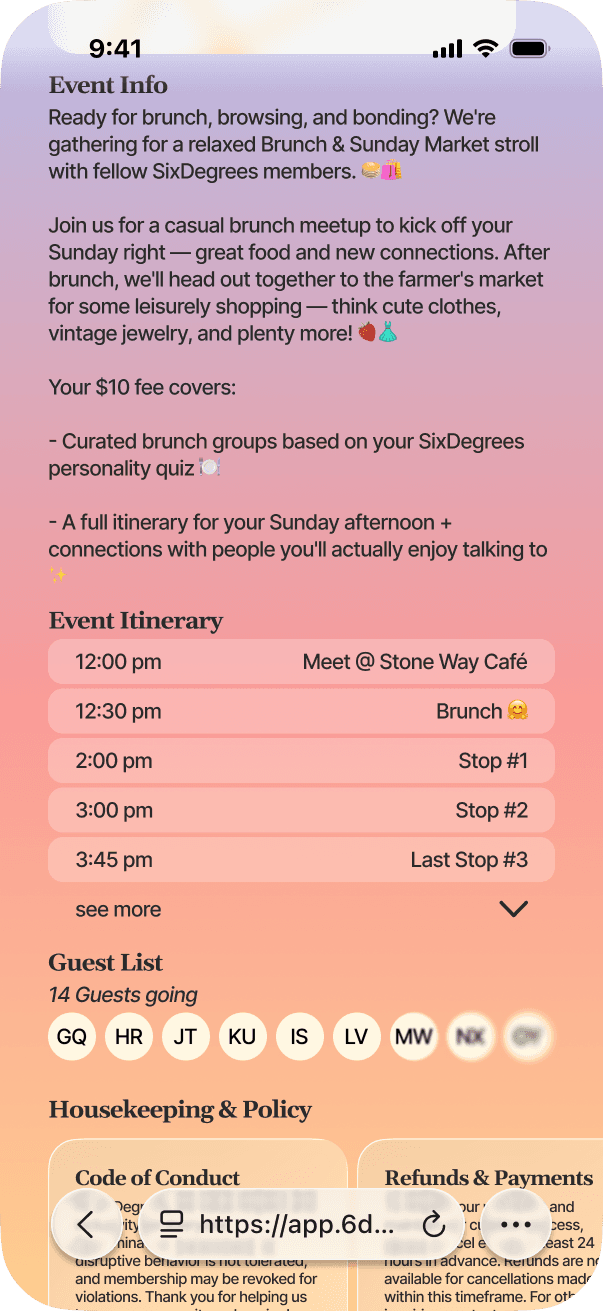
Beyond onboarding and payments, I helped design and ship higher-scope flows and features: a referral system, an ML-based matching algorithm, OAuth onboarding, and in-app payments/refunds. Together, these contributed to 1.7K+ active user growth in six months and 100%+ MRR growth in just two months.
event RSVP rate increase
decrease in onboarding drop off rate
decrease in ops workload
improved user understanding of the product outcomes
added credibility and accessibility to web platform
We continued to refine and tighten the web app's personal branding and design, leading to a cleaner, more cohesive user experience. The RSVP rate for our curations also increased twofold as a result of a redesigned onboarding process and unified web experience.
Learning moments to take with me
Keeping up production momentum while balancing stakeholder needs:
I initially felt uncomfortable about compromising my product to meet stakeholder expectations. A lot of the time, I didn't have time to properly build out the experiences I wanted. I made compromises I wasn’t confident in and communicated my concerns to the team.
I learned to work with what I had and later found data corroborating my concerns. Because I had mentioned these issues beforehand, all parties were able to understand what changes needed to be made, keeping everyone on the same page. I learned that a part of compromise is also clear communication.
Adapting communication for better cross-collaboration
Working closely with the founding engineer helped me learn to position myself so I was more available and receptive to her feedback. If she flagged something that was hard to build, I'd iterate immediately so she could keep going. What started as a rough collaboration became one of the most valuable working relationships of this project. We got faster, our output got tighter, and I gained more insight into how I could design to accommodate engineering constraints.
Designing for human complexity with limited data
I was very involved with our users in the early phases of the product, as we did not have the resources to communicate with them otherwise. I was able to have one-on-one conversations with real users. These conversations were priceless, but they cost my team and me a lot of manpower. It was difficult for me to balance our energy between projects and customer experience. We were eventually able to reduce manual operations by implementing changes to our onboarding and web app based on firsthand user feedback.
Building this product was especially rewarding, and we were featured on the Seattle Times. Conversations around Seattle started name-dropping “Six Degrees” and that’s when I knew my work had impacted real people and real relationships.